The Relevance of Lawful Video Clip Depositions in Modern Legal Solutions: What You Must Know
Legal video depositions have come to be necessary in today's legal landscape. They offer a multidimensional view of witness testaments that standard transcripts simply can not match. By capturing both verbal and non-verbal communication, these depositions enhance the total understanding of a witness's reliability. The efficiency of video depositions pivots on different elements, including compliance with legal criteria and finest methods. Checking out these components exposes their real importance in modern-day legal solutions
What Are Legal Video Clip Depositions?
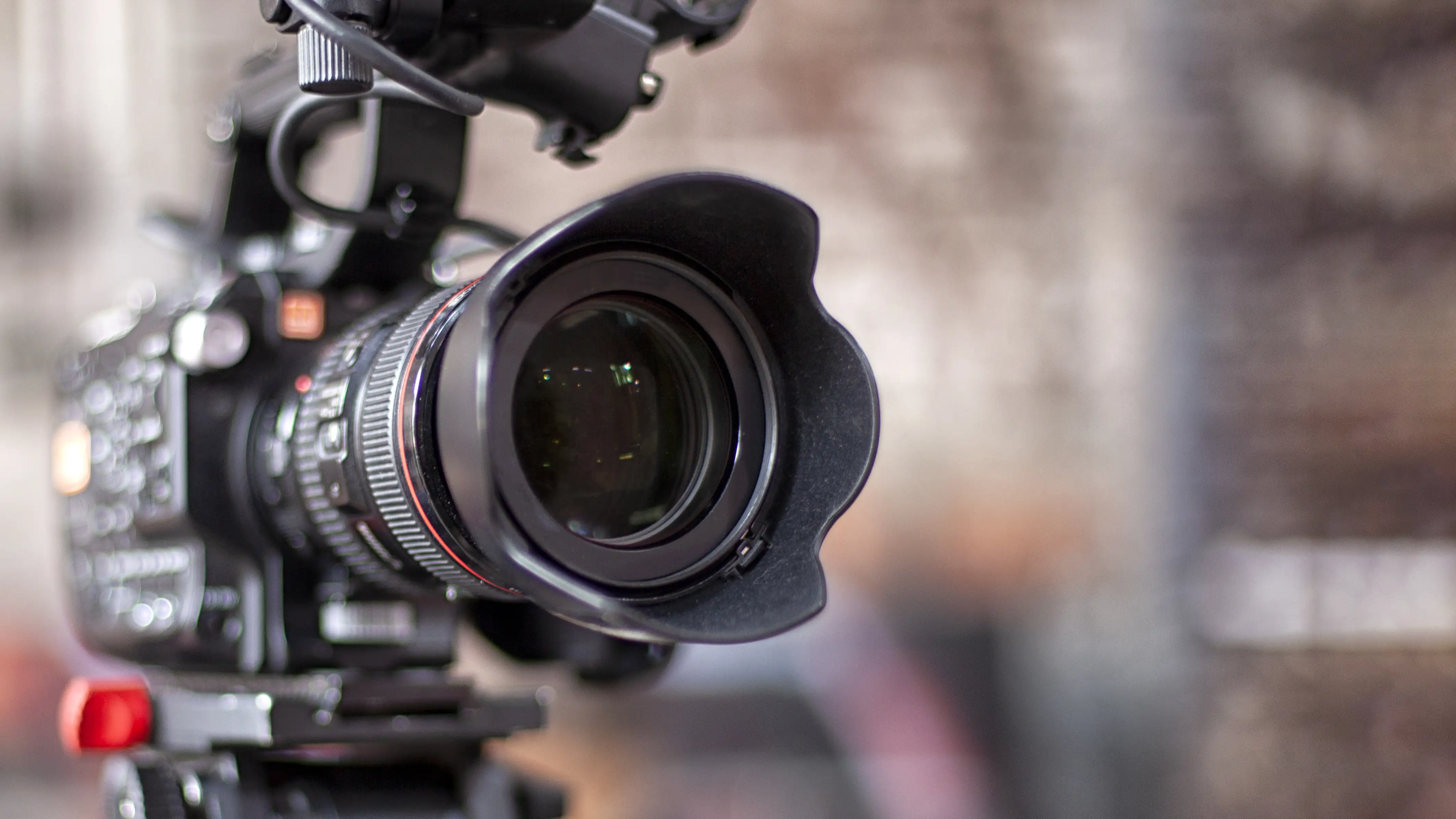
Legal video depositions act as an important tool in the lawsuits procedure. They involve tape-recording witness testaments in a video clip format, catching both non-verbal and verbal communication. This technique permits lawyers to record the behavior, expressions, and responses of witnesses, providing a richer context for the testimony. Commonly performed in a regulated setting, these depositions are led by attorneys that ask questions while a stenotype reporter records the discussion. The resulting video can be essential for test prep work, as it enables attorneys to evaluate the reliability of witnesses and refine their techniques. Additionally, lawful video depositions can be made use of in numerous legal contexts, varying from civil conflicts to criminal instances. The auditory and aesthetic elements of video depositions boost the presentation of proof, making it a necessary component in the modern-day legal landscape. Generally, they add significantly to the performance and effectiveness of legal procedures.
Benefits of Video Depositions Over Standard Methods
Video clip depositions offer countless advantages compared to typical methods of taking witness testaments. One considerable advantage is the ability to record both visual and audio aspects, providing a more comprehensive record of the witness's statements. This twin layout enhances clarity and enables attorneys to reference specific nuances during test preparation. In addition, video clip depositions facilitate remote participation, making it less complicated for witnesses that may be inaccessible for in-person appearances because of geographical constraints or health issues.Moreover, video clip depositions can quicken the total deposition process, decreasing the time and prices related to travel and logistics. They also boost availability, as taped depositions can be conveniently shared among lawful teams and referenced any time. This benefit adds to better case monitoring and prep work. In general, video clip depositions represent a modern, reliable technique to gathering witness statements, aligning with the advancing needs of the legal career.
The Role of Body Language and Tone in Testimonies

In lawful video clip depositions, body movement and tone play vital duties in communicating a witness's reliability and dependability. Nonverbal signs can provide insights into a witness's emotion, affecting just how their testimony is viewed. Comprehending the effect of these components is essential for attorneys and jurors alike when assessing the dependability of a testament.
Nonverbal Communication Insights
While verbal interaction is usually stressed in legal statements, nonverbal hints such as body movement and tone play a crucial role in communicating integrity and emotion. Viewers of depositions might note that a witness's position, motions, and face expressions can significantly affect assumptions of integrity. As an copyrightple, constant eye call might indicate confidence, while avoiding gaze could suggest deceit or pain. The tone of voice-- its volume, speed, and pitch-- can pass on feelings of sincerity or unpredictability. Legal specialists need to be in harmony with these nonverbal signals, as they typically offer vital context that complements talked words. Understanding these nuances can improve the effectiveness of depositions and affect the outcome of lawful proceedings.
Psychological Tone Influence
The emotional tone shared during lawful statements significantly influences exactly how a witness is regarded. Body movement, vocal inflections, and faces play crucial roles fit the story of a statement. A witness exhibiting self-confidence through consistent eye contact and a tranquil tone can instill a feeling of reliability and involvement. On the other hand, indications of anxiousness, such as fidgeting or a shaky voice, may cause hesitation concerning their account. The subtleties of psychological expression can influence the interpretation of truths, making it essential for lawyers to recognize these signs. In video depositions, the acoustic and aesthetic components incorporate, emphasizing the importance of psychological tone in sharing sincerity and truthfulness within the lawful procedure.
Trustworthiness and Reliability
An important consider establishing reliability and credibility throughout testaments copyrights on the witness's body language and tone of voice. Onlookers usually depend on non-verbal signs-- such as eye call, posture, and motions-- to analyze a witness's genuineness. A witness who keeps eye call and presents open body language may be perceived as more trustworthy and sincere than one who avoids eye call or shows up closed off. Additionally, tone of voice plays an essential duty; a consistent, calm tone can reinforce the credibility of the testament, while variations in pitch or volume may elevate questions. Ultimately, the mix of body movement and vocal tone greatly affects exactly how a witness's declarations are gotten and interpreted in a lawful context.
Ideal Practices for Carrying Out Video Depositions
Conducting video clip depositions needs cautious planning and implementation to ensure a clear and effective discussion of statement. First, it is vital to select a peaceful, well-lit location to lessen interruptions and safe and secure ideal video clip high quality. The tools ought to be tested beforehand, including electronic cameras, microphones, and lighting, to prevent technological issues throughout the deposition.Next, parties included must review the style and treatments beforehand, ensuring that everyone recognizes their roles. The deponent needs to be briefed on the procedure, including how to react plainly and concisely.Additionally, maintaining an expert disposition throughout the session is necessary. This consists of avoiding speaking over each other and confirming that all concerns are routed appropriately. Lastly, it is critical to tape the deposition in a layout that enables easy playback and evaluation, protecting the honesty of the testimony for future use.
Legal Considerations and Compliance Issues
Exactly how do legal considerations and compliance issues impact the effectiveness of video depositions? Legal professionals must browse an intricate landscape of regulations, ensuring that video depositions abide by administrative rules and standards. Compliance with laws concerning privacy, consent, and recording approaches is crucial. Obtaining specific approval from all celebrations involved is essential to prevent legal repercussions.Additionally, the admissibility of video clip proof in court can copyright on conformity with step-by-step demands. Guaranteeing that the equipment utilized meets technological requirements is also essential, as low quality can weaken the deposition's reliability.Moreover, attorneys should recognize any details state legislations that control video depositions, as these can vary why not try here greatly. Failing to attend to these considerations can not only threaten the honesty of the deposition yet also affect the overall situation strategy, eventually influencing the client's lawful results.
How Video Depositions Influence Court Perception
While video clip depositions can function as effective tools in legal proceedings, their impact on court understanding is significant. The auditory and visual elements of video recordings provide jurors with an extra detailed understanding of witness attitude, reliability, and psychological reactions. This multimedia approach can improve the jurors' capacity to assess the dependability of testament compared to standard text-based transcripts.Moreover, video depositions enable jurors to observe body language, intonation, and faces, all of which can affect their analysis of the witness's declarations. The visibility of a witness on screen can humanize them, cultivating empathy and link, which might guide jurors' opinions. On the other hand, a witness that shows up incredibly elusive or undependable on video clip may cause unfavorable assumptions that influence a jury's decision. Ultimately, the dynamic nature of video depositions plays a vital role in shaping just how jurors analyze evidence and reach their verdicts.
The Future of Video Depositions in Legal Method
As developments in innovation remain to reshape the legal landscape, basics the future of video depositions is poised for considerable advancement. Innovations such as expert system, online truth, and boosted video clip conferencing devices are expected to improve the deposition procedure and boost accessibility. Attorneys might make use of AI-driven analytics to copyrightine witness reputation and case strength more effectively.Moreover, the integration of virtual reality can enable juries to experience immersive simulations of depositions, providing much deeper context and understanding. Furthermore, the trend towards remote depositions is likely to persist, supplying higher flexibility for customers and attorneys alike.As remote work becomes significantly stabilized, video clip depositions will likely become basic method, minimizing prices and time restraints connected with traditional approaches. In general, these technical advancements promise to enhance the efficiency, effectiveness, and accessibility of video depositions in legal technique, eventually changing exactly how lawful experts plan for trial.
Regularly Asked Questions
Exactly How Much Do Legal Video Depositions Typically Expense?

Can Video Depositions Be Utilized in Any Kind Of Kind Of Situation?
Video clip depositions can be utilized in various kinds of instances, including civil, criminal, and household regulation. Their flexibility allows lawyers to existing witness testaments effectively, adapting to the certain demands of different lawful situations.
What Equipment Is Needed for a Video Deposition?
To carry out a video clip deposition, essential equipment includes a top notch electronic camera, microphone, lighting, and a reputable recording tool. Furthermore, a computer with modifying software program might be required for post-production and formatting the final video.
How much time Does a Common Video Deposition Last?
A normal video deposition lasts between two to four hours, depending on the complexity of the case and the variety of inquiries postured. Extensive sessions might happen, however breaks are generally incorporated for participant comfort.
Are Video Depositions Admissible in Court?
Video depositions are typically admissible in court, provided they adhere to lawful criteria and guidelines of evidence. Their usage boosts clarity and preserves witness statement, assisting in the judicial procedure during trials and hearings. Lawful video depositions have come to be crucial in today's legal landscape. Additionally, legal video depositions can be used in numerous lawful contexts, varying from civil disagreements to criminal cases. Furthermore, video depositions promote remote involvement, making it simpler for witnesses that might be not available for in-person looks due to geographical restraints or wellness issues.Moreover, video depositions can expedite the overall deposition process, minimizing the time and costs linked with travel and logistics. Ensuring that the tools utilized satisfies technical requirements is also essential, as poor quality can undermine the deposition's reliability.Moreover, lawyers have to be mindful of any certain state laws that control video depositions, as these can differ greatly. Furthermore, the trend toward remote depositions is most likely to persist, supplying greater versatility for attorneys and clients alike.As remote work comes to be increasingly stabilized, video depositions will likely come to be typical method, decreasing costs and time restrictions connected with typical methods.
Comments on “How to get ready effectively for legal video depositions”